A solid roof does more than just block rain. It lets you keep outdoor plans on track without sudden leaks forcing changes or early ends to trips. Focus on fixes that show clear progress on a set schedule. That way adventures stay weather-proof. One small drip by a vent can wreck a weekend away and leave you grabbing tarps in a hurry. Spotting problems sooner saves the plans you already made.
Imagine rain starting right as you unpack. Without the early look you would be stuck covering gear instead of enjoying the view.
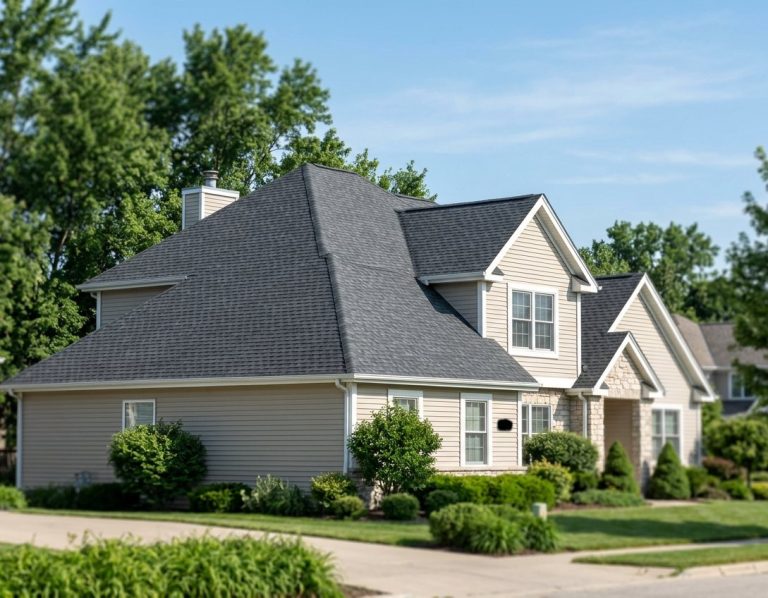
Begin With a Good Roof Inspection
Every round of repairs starts the same. Walk around the outside first, then head up to the attic. Binoculars help spot missing shingles or edges that curl up. Once inside the attic, shine a light around and note any dark stains on the wood. Jot the spots down with dates on a pad. The whole check takes less than two hours. Line up the actual fixes within a week so nothing gets worse. Those dated notes make it easy to see if a mark is spreading.
Catch Leaks Before They Spread
Go after any active drip with sealant right on the bad spots. Wipe the area clean first. Then work roofing cement into the gaps around vents and chimneys. Run a hose over it for five minutes to test. If the spot stays dry for a month afterward you know the patch held. The hose check gives quick reassurance without sitting around for rain.
Swap Out Bad Shingles on Time
Pry off the loose ones and slide fresh shingles in. Nail them at the same angle as the row already there. Work in batches of about ten an hour so the job stays on pace. A whole section can finish over one weekend if you start early. That schedule keeps camping or hiking dates intact. Otherwise you might return to find water marks on the ceiling and have to cancel the next outing while sorting repairs. The matching nail angle stops new shingles from popping up in wind.
Handle Water at Edges and Joints
Look over the metal flashing where sections meet. Swap out any rusted pieces. Cut fresh ones to size and nail them down every four inches. Run a bead of sealant along the edges afterward. The extra flashing keeps water out even in heavy rain.
Remove leaves and sticks from gutters and downspouts once a month. Run water through with a hose to make sure it reaches the ground. Blocked drains cause overflow or ice buildup that eats at the edges. I check a second time after storms because one miss can undo everything else.
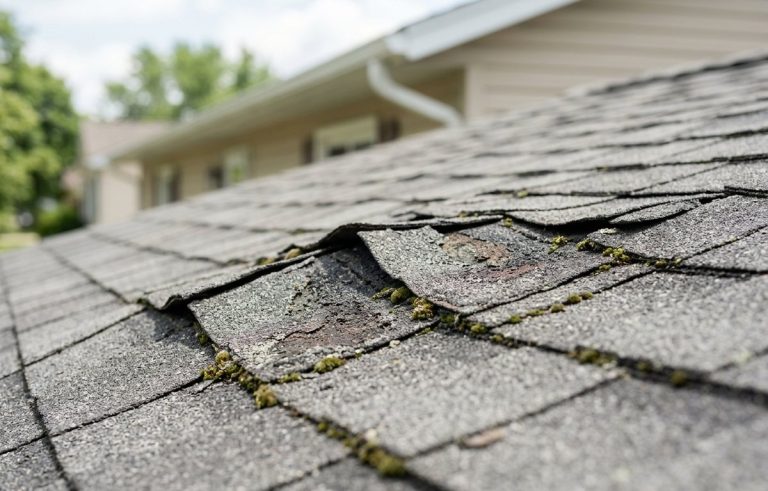
Consult USA Roofing Contractor Pros or MRCA when damage covers several sections or needs a closer look at the structure. Their teams finish a full check in one visit and give written timelines.
Choose Materials Built to Last
Go with shingles rated for high wind. They stand up longer and cut down how often you replace them. Keep a log of install dates so upgrades get planned before busy travel seasons. Tougher shingles mean fewer surprises when you get back from time away.
Put On Coatings to Stretch the Life
After cleaning, roll on elastomeric coating in two thin layers with four hours between. It reflects heat Heat Island Group and fills small cracks. One day covers a typical roof and buys five to seven years before the next big round of work. The layer also means fewer trips up the ladder.
Watch the Roof After Fixes
Walk the edges every couple of weeks for the first month. Look for fresh discoloration or shifts. Hit any small changes with more sealant right away. Regular checks cut down on emergency calls and protect the plans on your calendar.
Nothing ruins a quiet weekend more than discovering a new drip the night before heading out.
Pick the Right Season for the Job
Schedule bigger work when rain chances are low. Finish three weeks ahead of any trips so tweaks can happen in time. That gap avoids last-minute changes to routes or reservations. Milder days also keep the work from feeling rushed.
Keep Records of Everything Done
Take photos before and after each section. Store them with dates and material notes in one folder. Pull the records when planning the next round. Good notes shrink later inspections and make results easier to predict. Over time the pictures turn into a clear record of what got touched.
Check Ventilation to Cut Moisture
Look at attic vents for steady airflow. Add ridge vents if the soffit spots seem blocked. Balanced flow drops attic temps and reduces condensation that leads to rot. New vents go in during one afternoon. Check the temp drop the next week. Cooler air up there helps the house feel better too when it warms up outside.
Tie Down Outdoor Structures
Anchor awnings and pergolas to reinforced roof edges. Use bolts rated for the load. Test the hold before regular use. Solid ties let you extend living space safely without worrying about movement in wind. A loose awning can yank shingles free and start leaks you did not expect.
Watch Nearby Trees
Branches that hang over scrape shingles and drop stuff that blocks drains. Trim anything within six feet of the edge once a year. The habit stops small issues from growing right before a trip.
Track Savings on Utility Bills
Compare bills for the three months before and after the work. Cooling costs usually drop because of better sealing. Put the difference toward gear that supports longer outdoor time. Lower bills also free up money for extras.
Keep a Repair Kit Ready
Put together a kit with sealant, patches, and basic tools. Store it where it is easy to grab. Practice applying a patch a few times a year. Quick action limits water damage and protects stored gear. The kit means a sudden drip gets handled without a garage search.
Review Warranties Each Year
Read through the manufacturer papers annually and mark expiration dates. File claims within thirty days of finding problems. Using coverage cuts costs and keeps repair times short. The yearly check also reminds you what is actually covered before trouble hits.
Leave a Reply