When you’re running a lodging establishment that caters to visiting professors, conference attendees, and academic families, you quickly learn that reliable plumbing isn’t just a convenience—it’s absolutely essential. At University Inn here in Maricopa, Arizona, we’ve built our reputation on providing comfortable, worry-free accommodations, and that starts with making sure every faucet, toilet, and shower works flawlessly from the moment our guests check in.
Academic travelers have unique needs that differ from typical tourists. They’re often here for extended stays—sometimes weeks at a time—while conducting research, attending symposia, or participating in collaborative projects with local institutions. When someone is staying with us for three weeks while working on an important academic paper or preparing for a major presentation, they need to know that their bathroom will function perfectly every single morning.
We’ve hosted everyone from visiting lecturers to entire research teams, and one thing remains constant: plumbing problems can derail an entire day. Imagine a professor preparing for an important lecture only to discover their shower won’t produce hot water, or a doctoral candidate facing a backed-up toilet the night before their dissertation defense. These aren’t just inconveniences—they’re genuine disruptions to important work.
Rather than waiting for problems to emerge, we’ve adopted what I like to call a “preventive care” approach to our plumbing systems. Every quarter, we conduct thorough inspections of all our guest rooms and common areas. This includes checking water pressure, examining pipe connections, testing drainage systems, and ensuring our water heaters are operating at peak efficiency.
Key areas we monitor include:
- Hot water heater performance and sediment buildup
- Toilet tank components and flush mechanisms
- Faucet aerators and showerhead flow rates
- Drain lines for early signs of slow drainage
- Supply line connections for potential leaks
- Water pressure consistency throughout the building
This proactive stance has saved us countless emergency calls and, more importantly, has prevented our guests from experiencing disruptions during their stays.
One of the smartest decisions we made early on was establishing a relationship with skilled local plumbing professionals who understand the unique demands of hospitality properties. In this climate, we face specific challenges—from mineral buildup in our hard water to the strain that our desert heat places on plumbing systems.
Having trusted professionals who can respond quickly makes all the difference. When we do encounter an unexpected issue, we need someone who can arrive promptly, diagnose the problem accurately, and implement a solution that won’t just patch things temporarily but will provide a lasting fix. We’ve found that working with contractors who follow industry standards set by organizations like the American Society of Plumbing Engineers and the PHCC ensures we’re getting quality service that meets professional benchmarks. For property managers in our area looking to establish similar partnerships, I’d encourage you to learn more about the options available for commercial plumbing maintenance and emergency services.
Over the years, we’ve learned that certain plumbing issues tend to crop up more frequently in lodging environments. Guest behaviors differ from residential settings—people aren’t as familiar with the quirks of a particular plumbing system, and they may inadvertently cause problems without realizing it.
Arizona’s hard water is legendary, and it can wreak havoc on plumbing fixtures if left unchecked. We’ve installed water softening systems that protect our pipes and fixtures while also providing a better experience for our guests. Nobody wants to wash their hair in water that leaves it feeling stiff and coated.
We’ve gradually upgraded to low-flow toilets and water-efficient showerheads that meet EPA WaterSense standards. Not only does this reduce our water consumption—an important consideration in the desert—but modern fixtures actually perform better than older models while using less water.
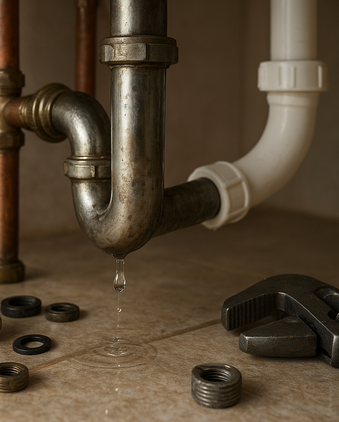
Beyond upgrading fixtures, we’ve also made sure we’re prepared for the unexpected. We maintain an emergency toolkit in our maintenance closet with essential supplies: pipe wrenches, plungers, drain snakes, and shut-off valve keys. Our entire staff knows where the main water shut-off is located and how to turn off water to individual rooms if needed. This preparedness has prevented minor issues from becoming major disasters on more than one occasion.
We’ve found that a little communication goes a long way. In each room, we provide simple instructions about our plumbing systems. We let guests know that our desert climate means water takes a bit longer to heat up in the morning. We remind them that only toilet paper should be flushed—never facial tissues or other products. These small reminders prevent most common problems before they start.
Some inn owners might look at our plumbing maintenance budget and think we’re spending too much. But I see it differently. Every dollar we invest in quality plumbing maintenance saves us multiple dollars in emergency repairs, guest refunds, and negative reviews. More importantly, it protects our reputation.
When a visiting professor returns to their university and recommends University Inn to colleagues, that word-of-mouth marketing is priceless. When a conference organizer books our rooms year after year because they know we provide reliable accommodations, that’s the kind of business relationship you can’t buy with advertising.
As we continue serving the local academic community, we remain committed to maintaining the highest standards in every aspect of our operations—especially our plumbing systems. It’s the foundation of guest comfort, and we’ll never compromise on that commitment. After all, when scholars and researchers choose to stay with us, they’re trusting us to provide a home away from home where they can focus on their important work without worrying about the basics.